Start Where You Are
Small changes that can reshape your everyday world

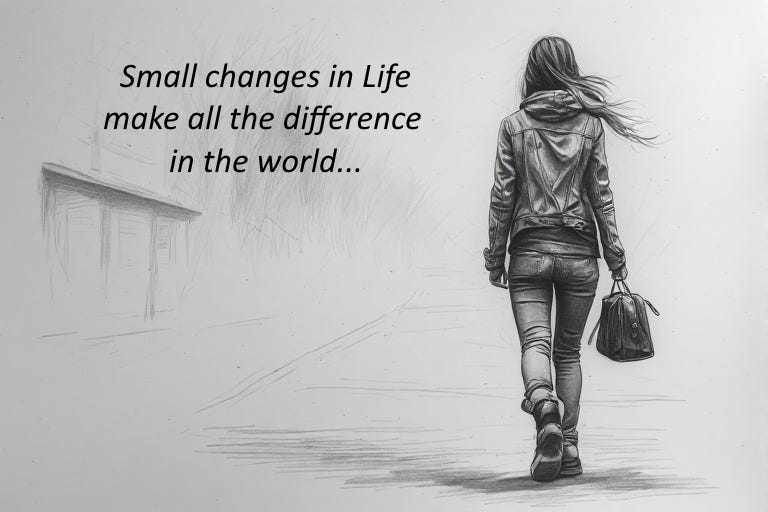
Changing the world can feel too big to take on all at once. But we can begin with the part of the world we meet every day: our home, our work, our relationships, and the way we respond to what happens around us.
Much of that change starts with how we understand what is happening. We do not experience life like a camera recording facts exactly as they are. We experience it through our memories, habits, fears, hopes, and past experiences. These act like filters. They affect what we notice, what we miss, and what we believe something means.
We can simply carry on reacting in the same old ways, or we can slow down and begin to understand these filters. When we notice our usual patterns, we gain more choice. We may still feel anger, fear, disappointment, or frustration, but we do not have to let those feelings make every decision for us.
A good place to start is with a few simple changes in how we think, act, and relate to other people.
Changing How We Think
· Focus on what you can control: You cannot control everything that happens around you, but you can control many of your own choices. Start by asking, “What is one helpful thing I can do next?”
· Assume people may not mean harm: Not every awkward comment, delay, or mistake is a personal attack. Before reacting, allow for the possibility that the other person was tired, distracted, under pressure, or simply unaware.
· Look for what is going right: Our minds often notice problems first. Make a deliberate effort to also notice cooperation, kindness, progress, and small signs of trust.
· Know what matters to you: Clear values act like a compass. When life becomes noisy or stressful, knowing what you stand for helps you respond with steadiness rather than panic.
Changing What We Do
· Listen properly: Try to hear the other person before preparing your answer. Good listening is not just waiting for your turn to speak; it is giving someone enough attention to understand them.
· Pause before responding: A short pause can stop a difficult moment from becoming worse. Take a breath, count to three, or ask for a moment before replying.
· Say what you mean clearly and kindly: If something matters, say it directly. Clear boundaries are usually healthier than hints, sarcasm, or silent resentment.
· Own your part: Everyone gets things wrong. Admitting a mistake quickly builds trust and makes it easier to put things right.
Changing How We Relate to Others
· Let go of hidden expectations: People cannot always meet standards they do not know about. If you need something, explain it clearly instead of expecting others to guess.
· See other people’s success as encouragement: Someone else doing well does not make you smaller. It can show what is possible and remind you that growth can happen in different ways and at different times.
· Do not stay where you are constantly harmed: Some relationships or situations drain your confidence and wellbeing. It is worth asking whether you are staying because it is healthy, or because change feels frightening.
· Be present for the people who matter: Attention is one of the clearest ways to show care. Put the phone down, listen, notice what people need, and make time where you can.
Small Steps That Make a Difference
You do not need to transform your whole life in one dramatic move. Most lasting change begins with small, repeated choices. Choose one conversation to handle more calmly. Choose one assumption to question. Choose one habit that helps you feel more grounded.
Over time, these small choices change the atmosphere around you. They can make your relationships clearer, your reactions steadier, and your everyday world feel less overwhelming.
Keep Going
Change is rarely quick, tidy, or easy. There will be days when old habits return, when progress feels slow, or when you wonder whether your efforts are making any difference. That does not mean you have failed. It means you are human, and you are learning a new way forward.
Every small choice to pause, listen, speak honestly, forgive, try again, or take responsibility is part of the change. You may not be able to change the whole world overnight, but you can change the tone of a conversation, the direction of a day, and the atmosphere around you. Start where you are, with what you have, and keep going. Small changes, repeated with courage and care, can grow into a life that feels more hopeful, more honest, and more whole.